When a WordPress site lives on shared hosting, it shares a CPU, memory and disk with hundreds of strangers. Most of the time you never notice. Then a neighbor’s site gets a traffic spike, or gets compromised, and your pages slow to a crawl.
The noisy neighbor problem
Shared servers are sold on averages. Providers bet that not every site will be busy at once, so they pack in as many accounts as the hardware will tolerate. When that bet loses, everyone on the box pays for it with slower response times.
What a VPS changes
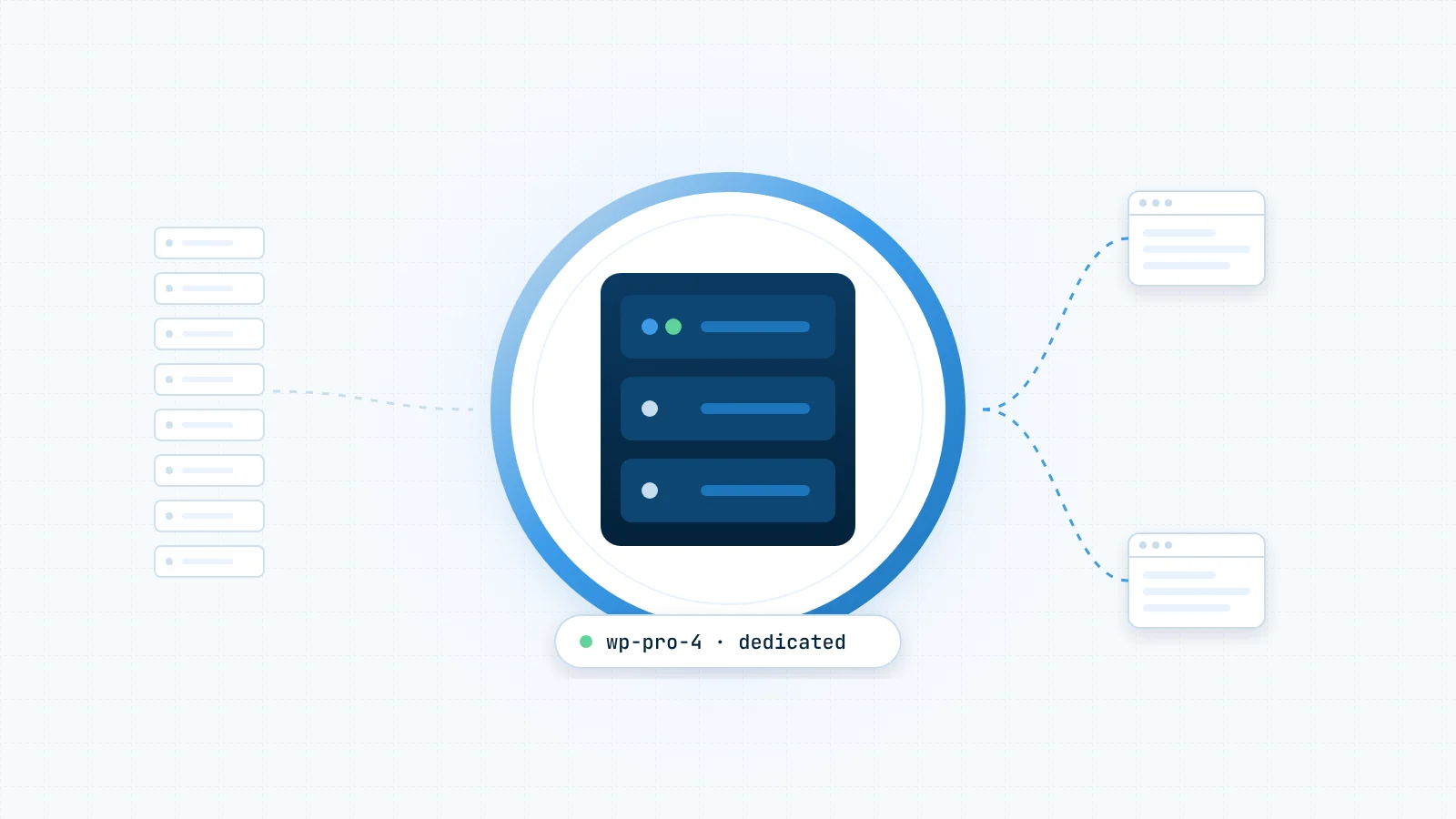
A virtual private server gives your site its own allocated CPU cores, RAM and storage. Those resources are reserved for you, so another customer’s busy afternoon can’t eat into them.
- Predictable performance during traffic spikes
- Isolation from other customers’ sites and their security problems
- Room to tune PHP workers and caching for your own workload
Is it overkill for a small site?
Not anymore. VPS pricing has come down to where a small business site can afford one, and a fully managed plan means you don’t have to become a sysadmin to run it. If your site makes you money, it’s worth giving it a home of its own. Compare VPS and shared hosting.